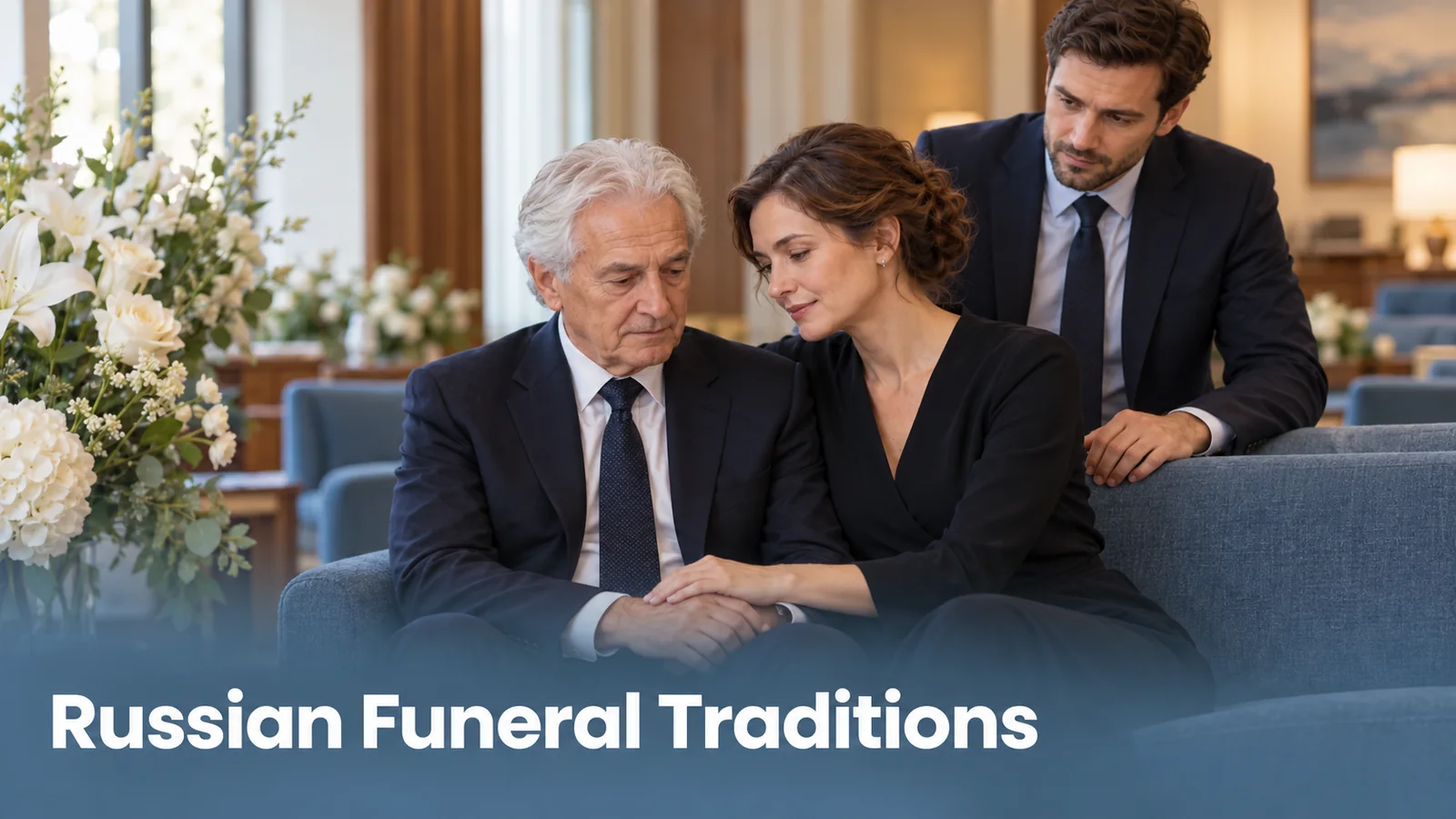
Planning a funeral can bring together personal wishes, religious beliefs, and traditions passed down through generations. For families with Russian heritage, familiar prayers, language, and customs may offer comfort while remembering someone they love.
Russian funeral traditions vary by family and faith. Some families follow Russian Orthodox practices, while others observe Jewish traditions, another religion, or a secular approach. A meaningful farewell begins with understanding the person’s wishes and the customs that matter to those closest to them.
For families planning Russian funerals in North Miami, discussing these preferences early can help guide decisions about visitation, services, burial, and remembrance.
Start With Your Family’s Wishes
Before choosing the details of a service, consider what would best reflect your loved one’s life and beliefs.
Helpful questions include:
- Did your loved one leave written funeral wishes or make arrangements in advance?
- Was there a church, synagogue, or other faith community they belonged to?
- Which traditions would the family like to include?
- Would relatives prefer Russian, English, or both?
- Will family members need to travel?
- Is the preferred resting place in South Florida or another country?
Share these details during the arrangement conversation. If religious observances are important, involve the appropriate clergy early so the funeral arrangements and religious service can be coordinated.
Learn more about planning around family customs through our cultural funeral services.
Russian Orthodox Funeral Traditions
For families who practice Russian Orthodoxy, prayer and the Church’s funeral rites can be central to the farewell.
Arrangements may include prayers before the funeral, a church service, and prayers at the graveside. A memorial prayer service known as a Panikhida may also be part of the observances. The Orthodox Church in America’s funeral guidelines describe these services and the priest’s role in guiding the family.
Contact the parish priest before confirming service details. The priest can explain the order of worship, scheduling, and any religious items or preparations appropriate for the service.
Families can also ask where personal tributes, photographs, or shared memories would fit best, whether during a visitation or at a separate gathering.
Visitation and Time to Say Goodbye
A visitation gives relatives and friends an opportunity to offer condolences and spend time together before the funeral.
When arranging this gathering, discuss:
- Whether the family would prefer a viewing or a closed casket.
- Whether prayers will be offered during the visitation.
- The expected number of visitors.
- Photographs or other personal items the family would like displayed.
- Accessibility needs and the comfort of older relatives.
- Time for close family to gather privately.
The arrangements should reflect the family’s wishes alongside any guidance from their religious community. Discuss viewing preferences with both the funeral director and clergy when planning an Orthodox service.
Burial, Cremation, and Religious Considerations
The decision between burial and cremation should take into account the person’s wishes and religious beliefs.
Traditional Orthodox practice favors burial, and cremation can affect whether a church funeral is available. Families planning an Orthodox service should speak with their priest before making this decision. The Orthodox Church in America’s guidance on cremation explains the Church’s traditional position.
For families following another faith or a secular approach, the considerations may differ. Discuss the available burial services or cremation services with the funeral director, including how each option fits with the desired farewell and final resting place.
Memorial Observances After the Funeral
Remembrance may continue through prayer, visits, and gatherings after the funeral.
In Orthodox tradition, memorial prayers are commonly offered on the third, ninth, and fortieth days after death, as well as on anniversaries. Practices and scheduling can vary, so families should confirm arrangements with their parish. The Orthodox Church in America’s explanation of prayers for the departed provides further background.
Some families also choose to gather for a meal, share photographs, or tell stories about their loved one. These gatherings can provide a quieter setting for personal memories and continued support.
If the family would like a religious memorial observance, discuss the date with clergy before reserving a venue or inviting guests.
Supporting Relatives Near and Far
When relatives live in different cities or countries, clear communication can make planning easier.
Choose one family contact to share confirmed information about the location, service time, and any gathering afterward. Tell the funeral director about travel needs and language preferences, and ask what support can be arranged.
If your loved one’s wishes involve burial abroad, discuss the destination before committing to funeral or travel dates. Ask the funeral director to confirm whether transportation can be arranged and what steps would be involved.
Our international funeral shipping page provides an introduction to planning transportation to another country.
Preparing for the Arrangement Conversation
You do not need to have every decision made before contacting a funeral home. Bringing the information you already have can help the conversation move forward.
Useful items include:
- Your loved one’s full legal name and basic personal information.
- Any written funeral wishes or existing arrangements.
- Contact information for clergy or a religious community.
- Cemetery information, if a burial space has already been selected.
- A photograph and any clothing preferences.
- The family’s preferred language and important traditions.
- Questions about services, costs, and scheduling.
For a broader overview of the planning process, visit our funeral planning page.
Frequently Asked Questions About Russian Funerals
Are all Russian funerals Orthodox?
No. Russian heritage includes people from different religious backgrounds and people who prefer a secular service. Arrangements should follow the individual’s beliefs and wishes.
Can a service include Russian and English?
Share your family’s language preferences with the funeral director and officiant. Ask what arrangements can be made for prayers, readings, printed materials, or interpretation.
When should an Orthodox funeral take place?
Discuss the date with the parish priest and funeral director. Church scheduling, cemetery availability, family circumstances, and necessary preparations all affect the arrangements.
Can the family hold a separate gathering to share memories?
A separate gathering can provide space for photographs, personal tributes, and stories. Discuss how it will fit around any religious services and the family’s other plans.
Funeral Planning Support in North Miami
A thoughtful farewell begins with listening to what matters to your family. Faith, language, personal memories, and the wishes of your loved one can all help shape the arrangements.
To discuss funeral planning in North Miami, contact Carib Funeral Home at (305) 956-5566, available 24 hours a day, seven days a week, or visit our contact page.