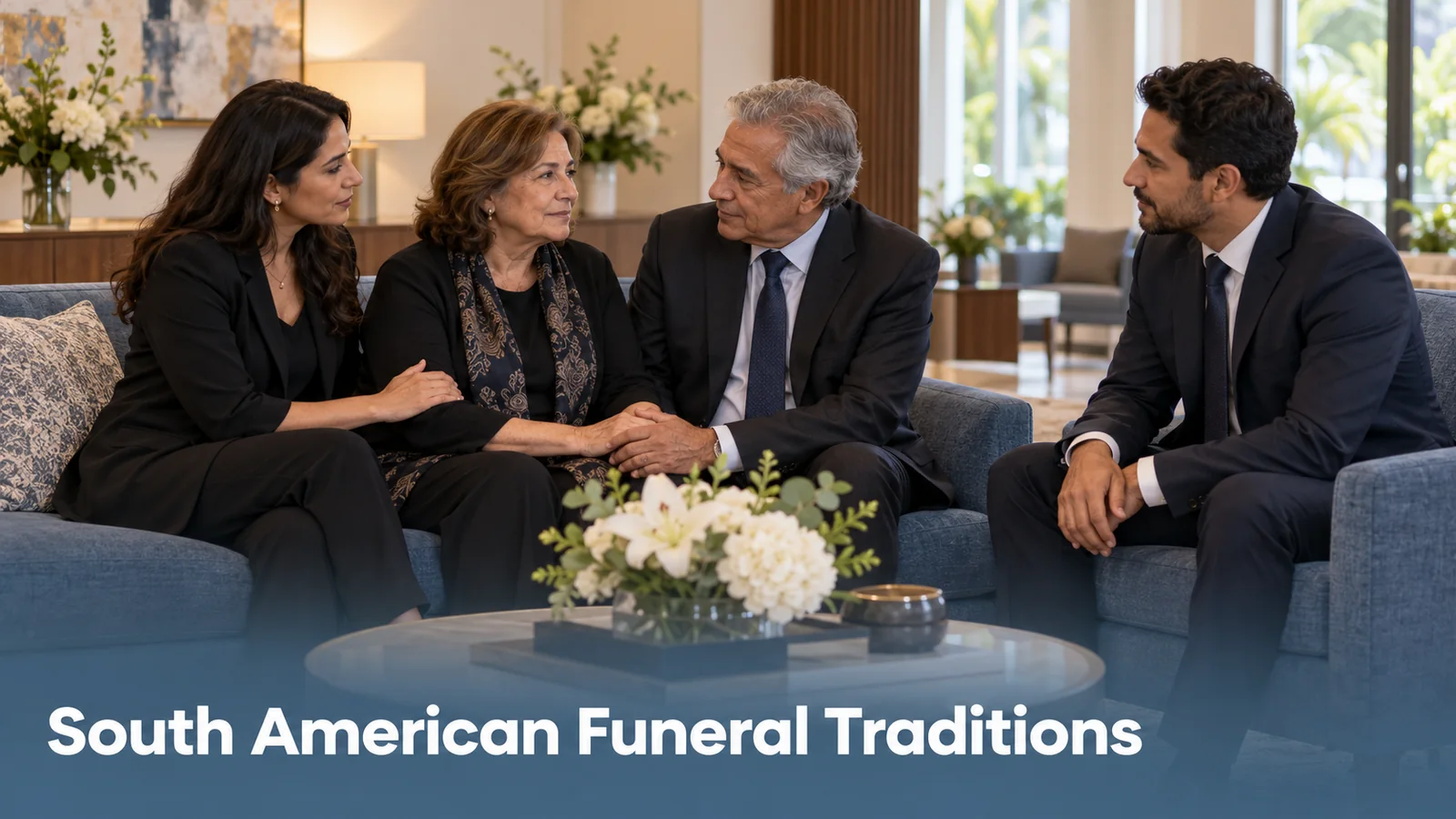
Planning a funeral can involve decisions about family traditions, religious services, and where a loved one wished to be laid to rest. When relatives live in both South Florida and South America, it may also mean bringing people together across languages and countries.
South American funeral traditions differ across Colombia, Venezuela, Ecuador, Peru, Brazil, Guyana, and other countries throughout the region. Customs also vary within each country, shaped by faith, community, Indigenous heritage, and personal preferences.
For families arranging South American funerals in North Miami, understanding these individual wishes is the first step toward a thoughtful farewell.
Begin With the Person’s Wishes
A person’s background can help guide funeral planning, but their own preferences should remain central.
Some people want a service that follows the traditions they grew up with. Others prefer a simple gathering, a religious ceremony, or a memorial focused on their life and relationships.
Before making arrangements, look for any written instructions or existing funeral plans. Speak with close relatives about the person’s beliefs, preferred resting place, and any wishes they shared.
If the family has different ideas, identifying the most important priorities early can help everyone understand the decisions being made. Our funeral planning services provide a starting point for that conversation.
Visitation and Time Together
A visitation allows relatives and friends to offer condolences and spend time with the family before the funeral. Some Spanish-speaking families refer to this gathering as a velorio.
The gathering may include prayer, quiet conversation, or personal memories. Its length and format should be discussed with the funeral director rather than assumed from a particular country’s customs.
Consider:
- Whether the family would like a viewing or a closed casket.
- Time for close relatives to gather privately.
- Any prayers or readings that should be included.
- Photographs or meaningful personal items to display.
- The number of visitors and any accessibility needs.
If relatives are traveling, share that information early. The funeral director can explain the scheduling options available before the family confirms a date.
Religious Services and Personal Tributes
Faith may influence the location, order, and timing of a funeral service. Families may follow Catholic, Protestant, Jewish, Hindu, Muslim, Indigenous, or other traditions, while some prefer a secular farewell.
For Catholic families, funeral rites may include a vigil, funeral liturgy, and the rite of committal. The United States Conference of Catholic Bishops’ overview of funeral rites explains the purpose of these observances.
Contact the appropriate clergy or faith leader early when religious practices are important. They can explain what should be included and help coordinate arrangements with the funeral home.
Personal tributes can also form part of the farewell. Discuss where photographs, favorite music, and spoken memories would fit best, whether during the service, visitation, or a separate gathering.
Learn more about discussing these preferences through our cultural funeral services.
Making the Farewell Accessible Across Languages
A family may want to include Spanish, Portuguese, English, an Indigenous language, or another language important to their loved one.
Ask relatives which language would help them understand and participate comfortably. Share those preferences with the funeral director and officiant, and ask what language support can be arranged.
Printed programs can include translated readings or a brief explanation of the service. If several relatives will speak, planning their contributions in advance can help the gathering flow smoothly.
Check the spelling of names, places, and personal details carefully before printing an obituary or program.
Burial, Cremation, and the Final Resting Place
The choice between burial and cremation should reflect the person’s wishes, religious beliefs, and plans for their final resting place.
If a cemetery space has already been selected, bring that information to the arrangement meeting. If the family is still deciding, ask how each option would fit with the desired funeral or memorial.
Families can explore our burial services and cremation services, then discuss the available arrangements and associated costs.
When religious requirements apply, speak with the faith leader before making a final decision.
When Burial Is Planned in South America
Some families wish to hold a farewell in North Miami before arranging burial in their loved one’s country of origin. Others may plan the main funeral abroad.
If international transportation is being considered, tell the funeral director the destination country and city as early as possible. Share any contact information for a receiving funeral home or cemetery.
Ask the funeral director to explain:
- Whether transportation to the intended destination can be arranged.
- What information and documents the family needs to provide.
- How arrangements will be coordinated with the receiving funeral home.
- Whether a local visitation can be included.
- Which steps must be completed before dates can be confirmed.
Transportation arrangements and requirements vary by destination. Confirm the schedule before announcing an overseas funeral or booking related travel.
Our international funeral shipping page introduces the planning involved in transporting a loved one to another country.
Remembrance Beyond the Funeral
Family traditions may continue long after the funeral through cemetery visits, prayer, shared meals, or anniversary gatherings.
In Ecuador, Día de los Difuntos observances can include family gatherings and traditional foods such as colada morada and guaguas de pan, as described by Ecuador’s Ministry of Tourism.
In Peru, traditions around early November include visiting relatives’ graves and bringing flowers, with practices varying by community. The Regional Government of Cajamarca describes these observances.
These annual occasions are examples of continuing remembrance. Families can also choose personal ways to stay connected to someone’s memory, wherever they live.
Frequently Asked Questions About South American Funerals
Do South American funerals follow one set of customs?
No. Traditions vary by country, region, religion, and family. Arrangements should reflect the individual’s wishes rather than assumptions about their nationality.
Can the farewell include more than one language?
Share your language preferences with the funeral director and officiant. Ask what can be arranged for readings, prayers, printed materials, or interpretation.
Can we hold a visitation in North Miami before transportation abroad?
Discuss this request early. Available arrangements depend on preparation, transportation requirements, and the schedule for the destination.
What if relatives cannot attend in person?
Ask whether remote participation or a recording can be arranged. Relatives may also wish to contribute a written tribute, photographs, or a message for someone to read.
Funeral Planning Support in North Miami
A meaningful farewell can honor both a person’s life in South Florida and their connections to family and heritage elsewhere.
To discuss South American funeral arrangements in North Miami, contact Carib Funeral Home at (305) 956-5566, available 24 hours a day, seven days a week, or visit our contact page.